A wide range of industrial applications relies on the use of liquid-to-liquid heat exchangers due to their reliability and low cost. The transfer of heat is an essential part of several manufacturing processes, including chemical manufacturing, oil refining, food processing, and power plants. Read More…
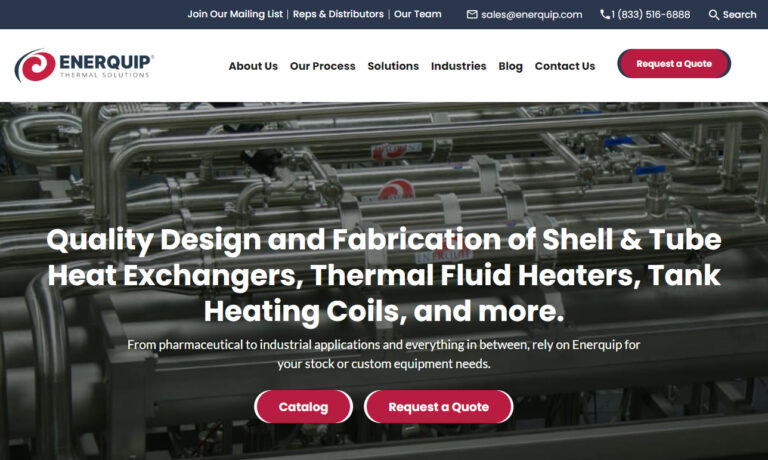
Enerquip is your trusted shell and tube heat exchanger partner. Our in-house, thermal design engineers and ASME welders and fabricators can design and build custom engineered solutions for your company’s specific needs. Our experience and expertise have earned us a preferred supplier status with leading companies in the pharmaceutical, food and beverage, cannabis, personal care, chemical,...
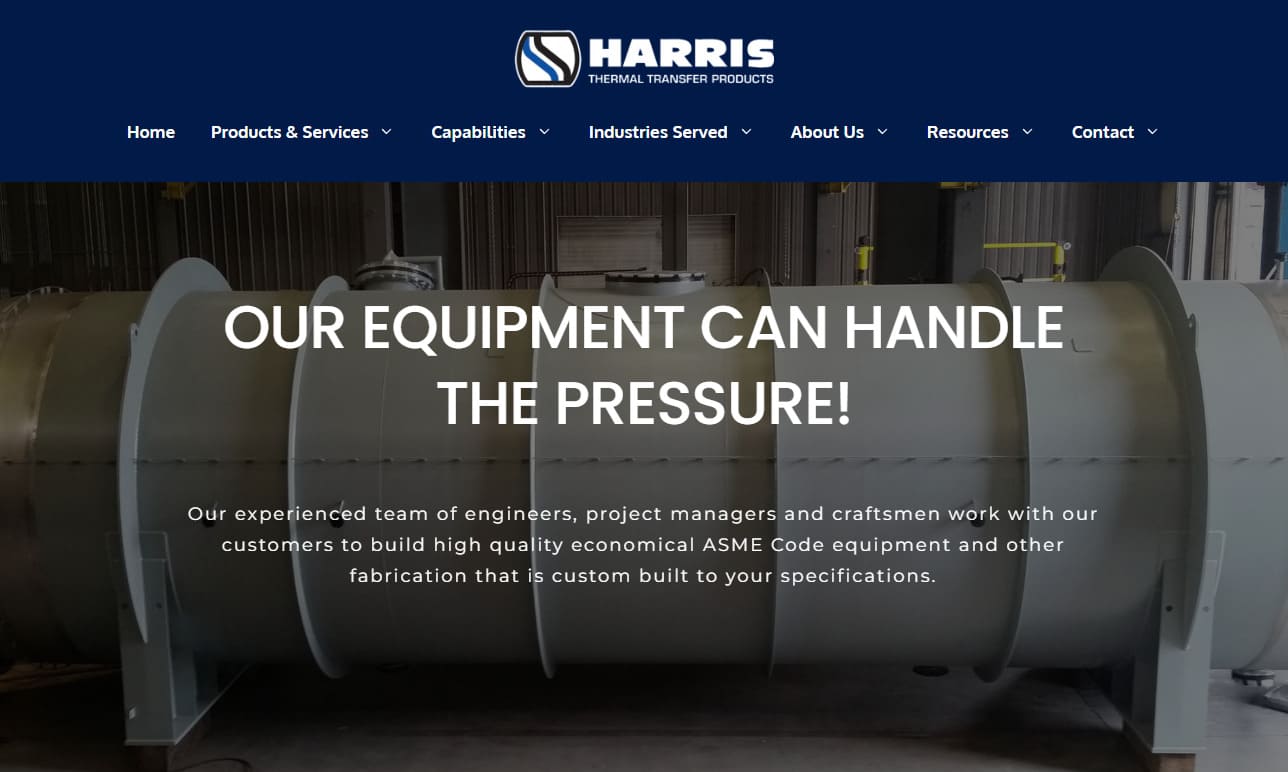
At Harris Thermal Transfer Products, we specialize in delivering cutting-edge heat exchangers designed to meet the diverse needs of our clients. We excel in producing a wide range of thermal management solutions, from standard models to highly customized systems. Our commitment to innovation and quality ensures that our heat exchangers provide superior performance, reliability, and efficiency.

Since 1947, Perry Products Corporation has been a trusted designer, manufacturer and long term heat exchanger partner for our customers. In addition to custom thermal engineered shell and tube heat exchangers, Perry maintains a line of partially fabricated but still customizable ASME heat exchangers in stock and ready to ship quick. Direct and honest communication and on time delivery is one of...

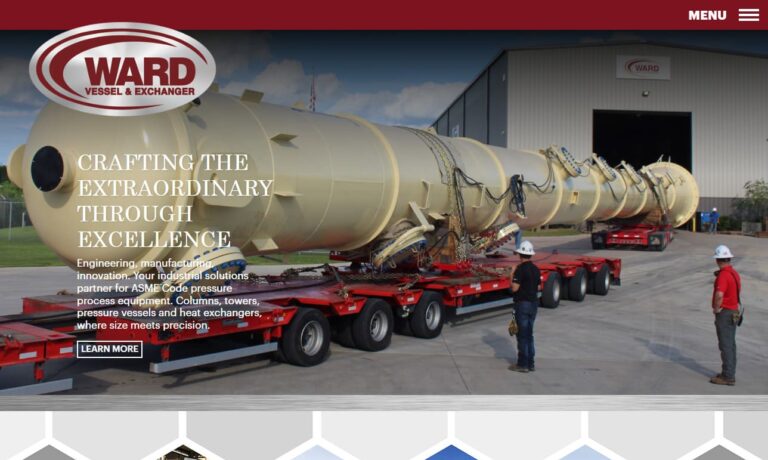
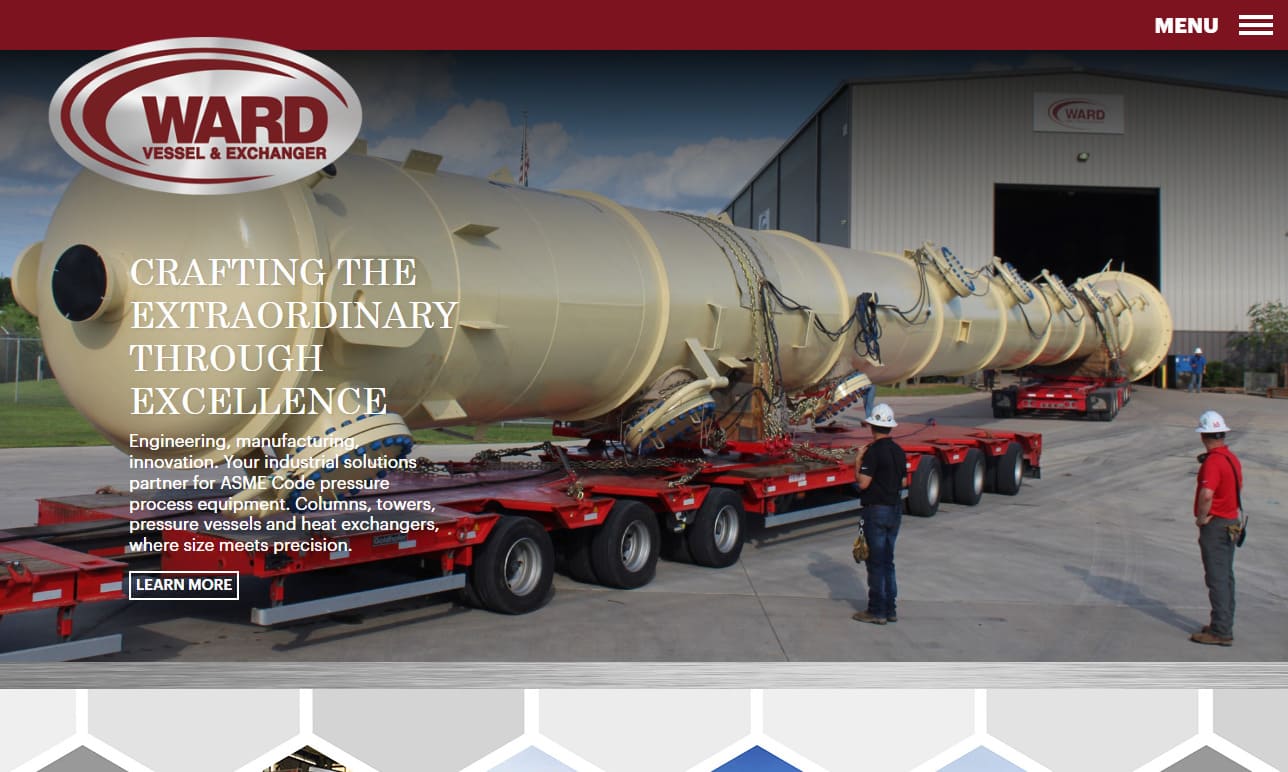
At Ward Vessel and Exchanger, we take pride in designing and manufacturing heat exchangers and pressure vessels that reflect the depth of our engineering experience and our dedication to long-term performance. We approach every project with a commitment to understanding our customers’ thermal and mechanical requirements, allowing us to create custom heat exchanger solutions that maximize...
Doucette Industries has been a leader in suction line heat exchangers, shell and tube heat exchangers, marine heat exchangers, plate heat exchangers and tube-in-tube water cooled condensers since 1975. We offer full customization services, and experienced staff, rapid response to your inquiries and a wide selection of cutting edge products. Please visit our website for more information.

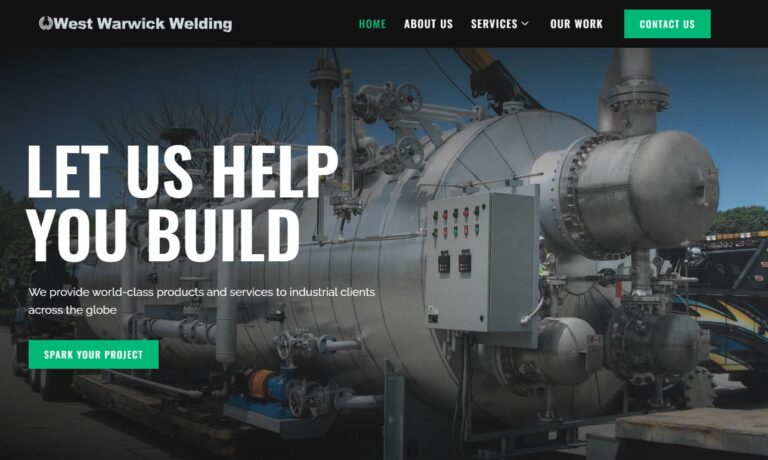
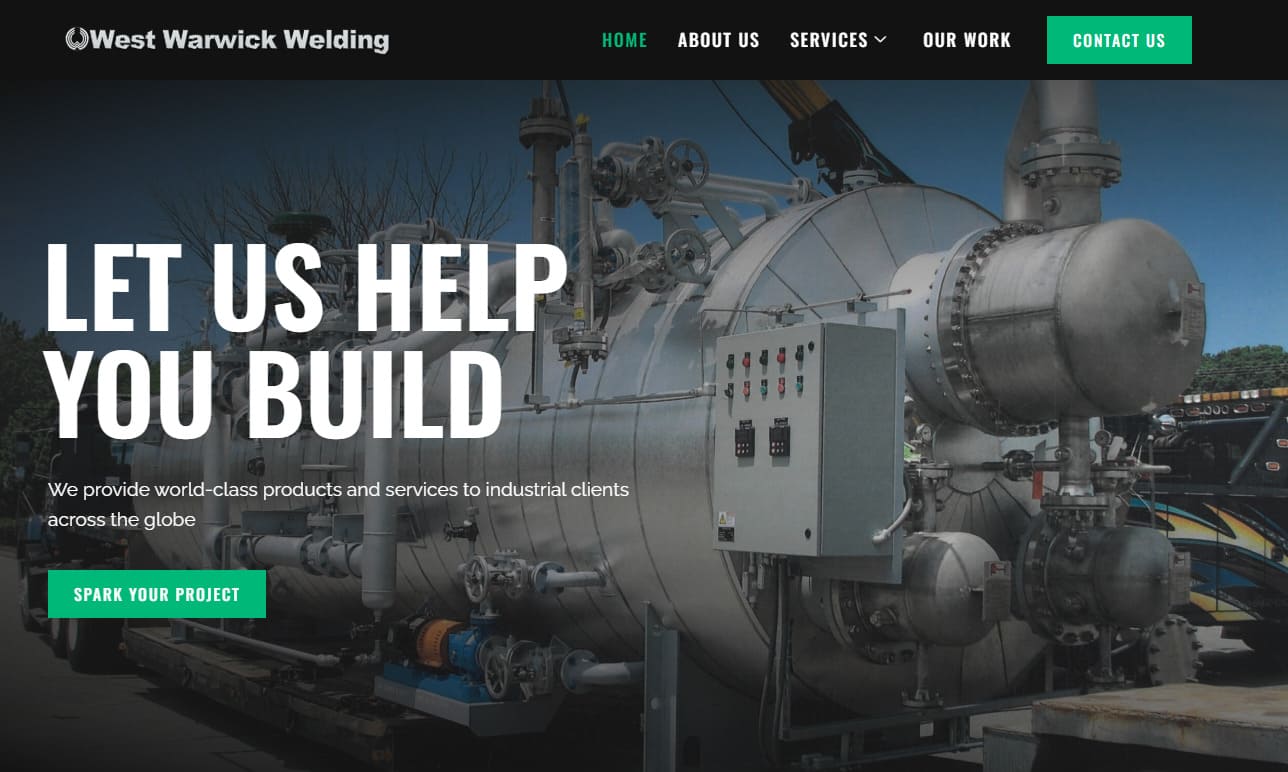
At West Warwick Welding, we bring together decades of fabrication experience and a commitment to precision workmanship to support customers who rely on durable, high-performance heat exchanger solutions. We operate as a fully integrated welding and fabrication shop, and we take pride in managing every stage of production with the same level of care, from the initial design consultation to the...



More Liquid-to-Liquid Heat Exchanger Manufacturers
The removal of heat from industrial operations is a necessity to ensure the quality of products. For over two hundred years, engineers have worked diligently to develop methods for removing heat from applications where heat can deter and damage a product.
The introduction of the first liquid-to-liquid heat exchanger took place during the first industrial revolution. Known as the "Gegenstromkühler" or counter flow condenser, it made possible the exchange of heat between a vapor and water. From their initial beginning, liquid-to-liquid heat exchangers have been perfected, improved, and configured to meet the needs of modern industrial applications across the spectrum of industrial operations.
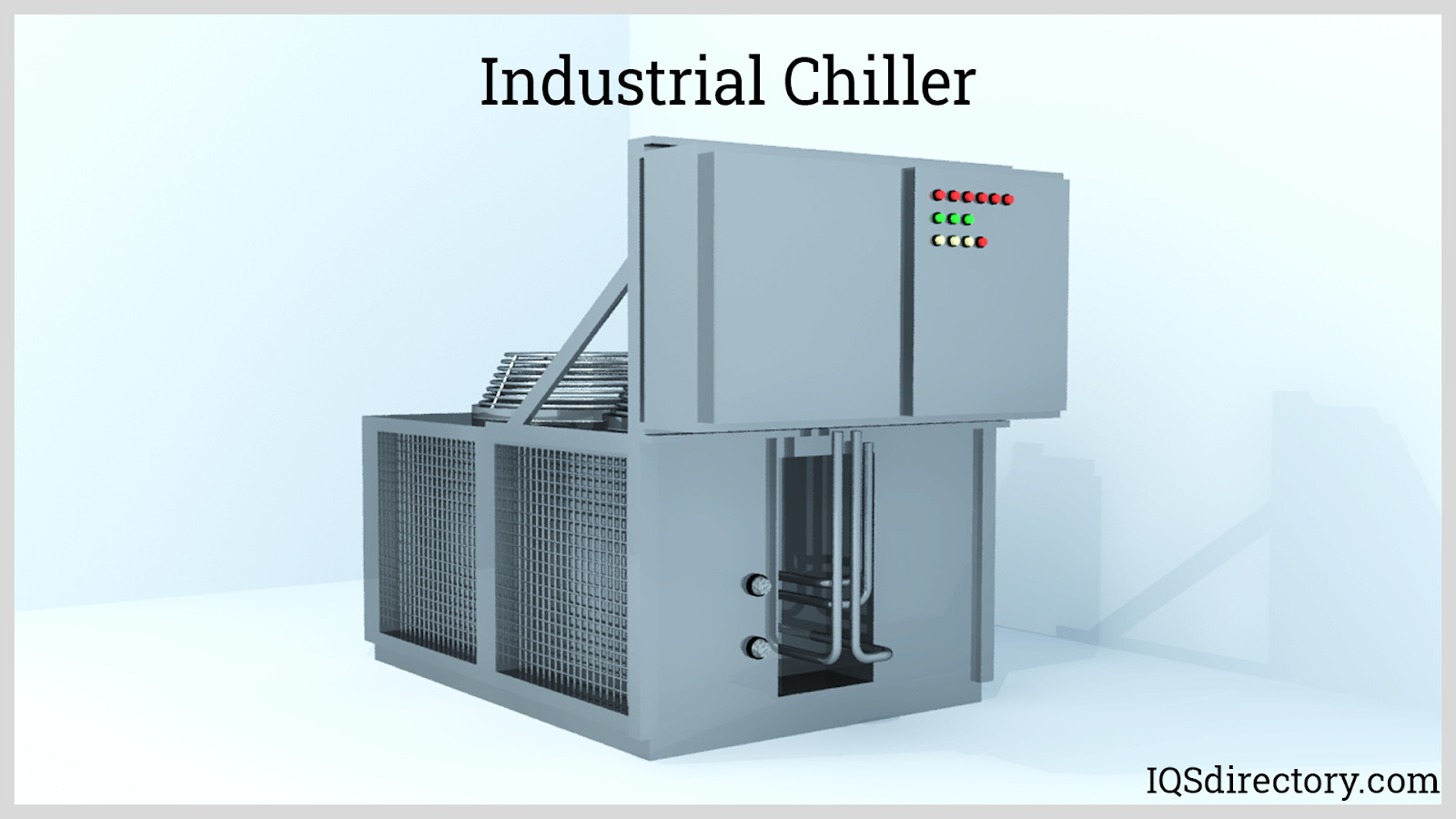
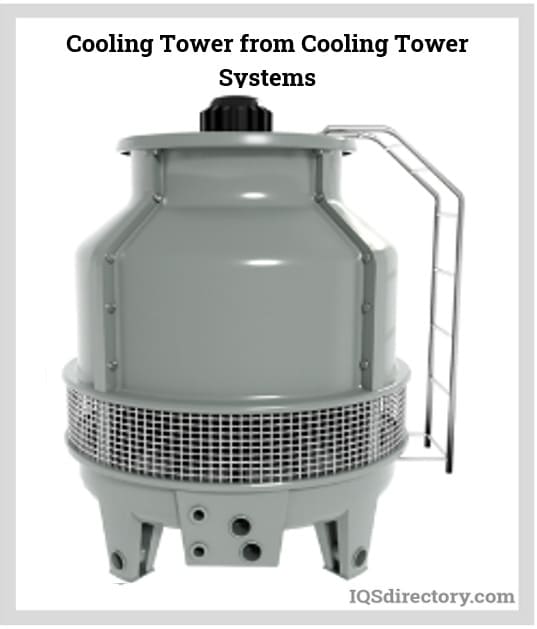
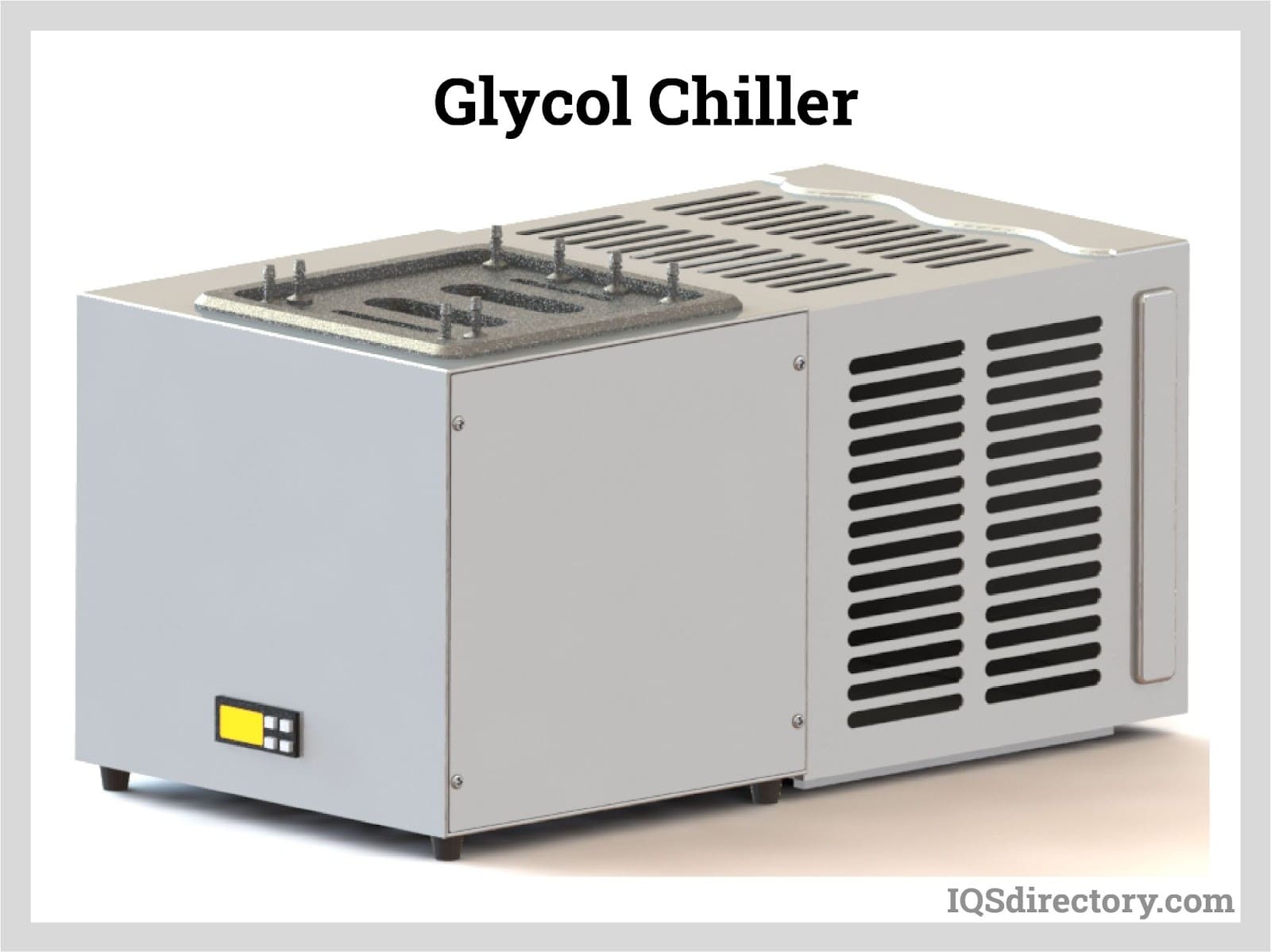
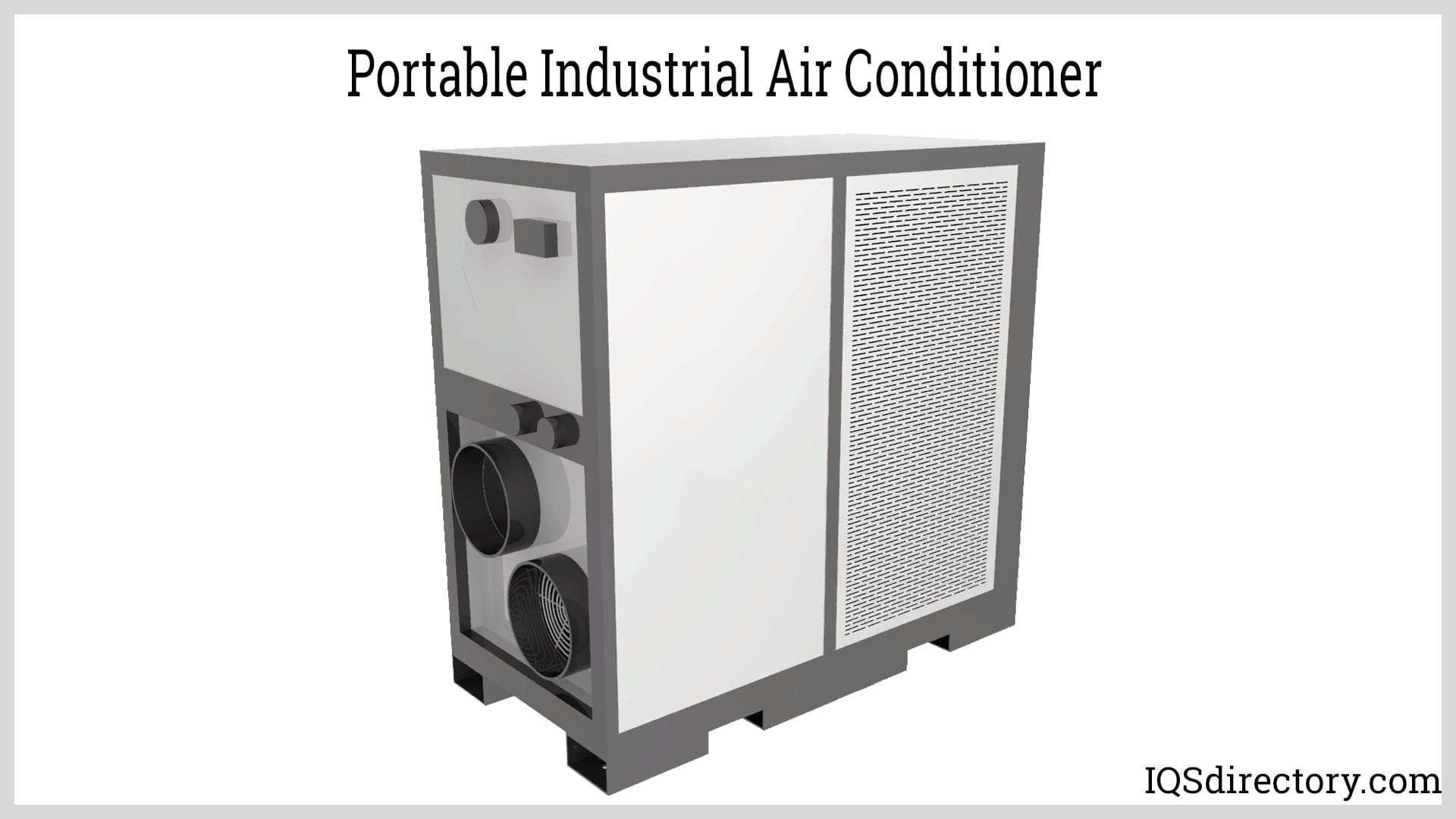
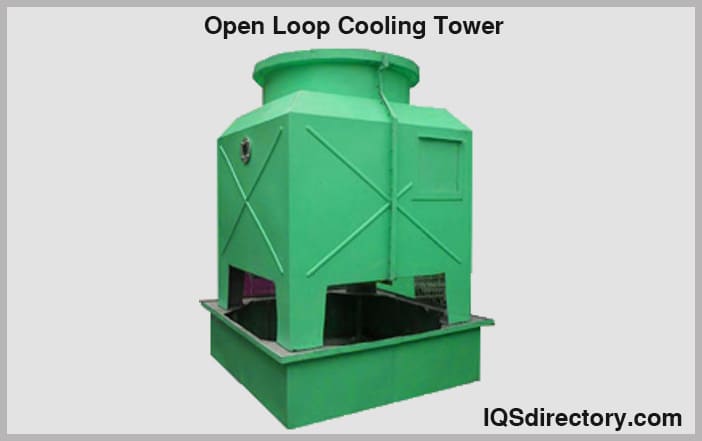
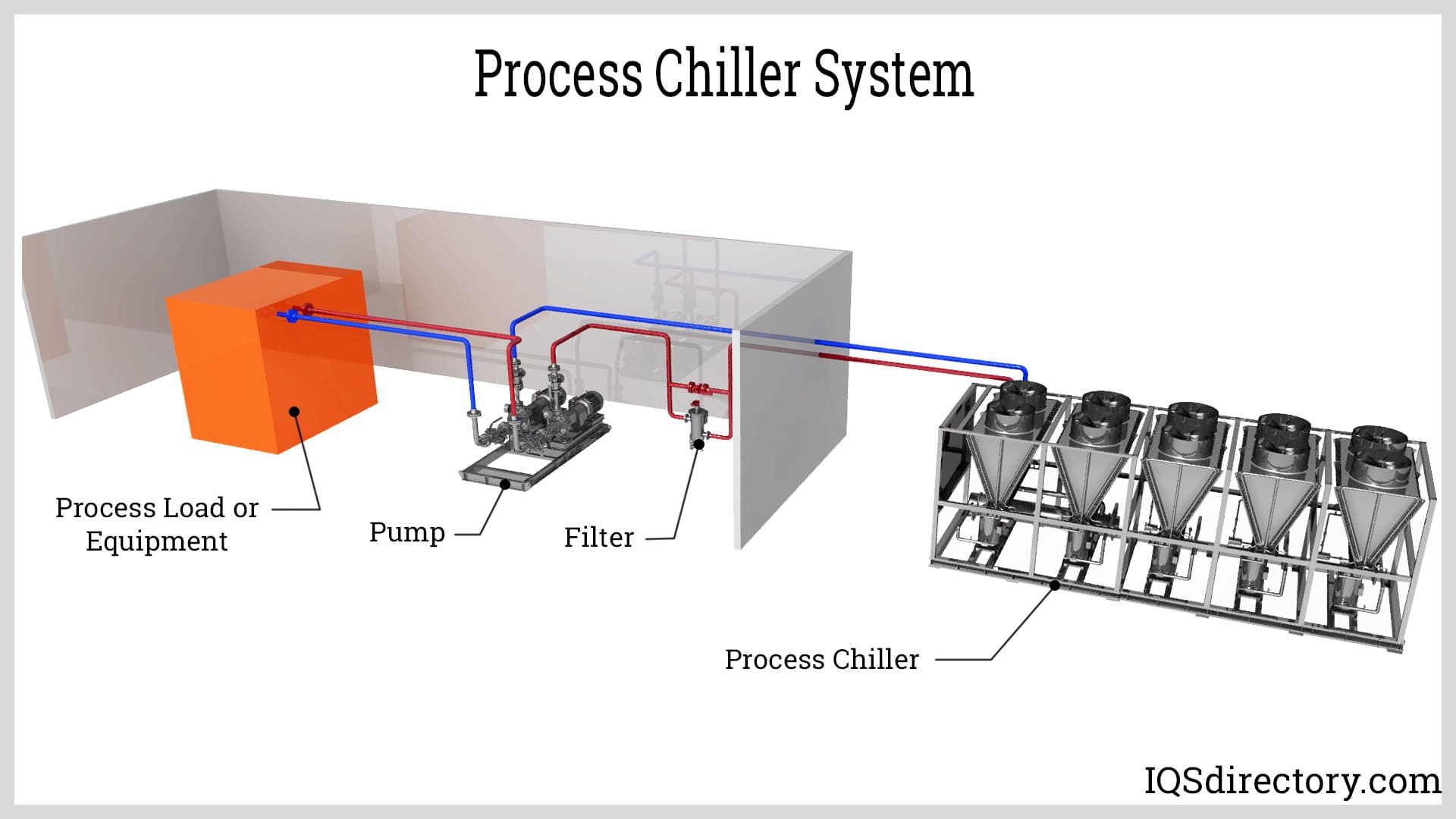
All types of heat exchangers are crucial to the success of industrial processes and applications. Heat removal increases efficiency, improves production, reduces energy consumption, and is cost-saving. Heat exchangers are a streamlined method for monitoring and managing heat removal and making better use of energy. While liquid-to-liquid heat exchangers are an efficient method for the removal of heat, they are one of the many methods used for the process that include chillers, cooling towers, air handlers, heat sinks, radiators, and fans and blowers.
Of the long list of heat removal methods, liquid-to-liquid heat exchangers are the most efficient method for transferring heat between fluids or between fluids and the surrounding area. The term liquid-to-liquid heat exchanger covers a long list of different types of liquid-to-liquid heat exchangers that are designed to meet the specific needs of an industry or application.
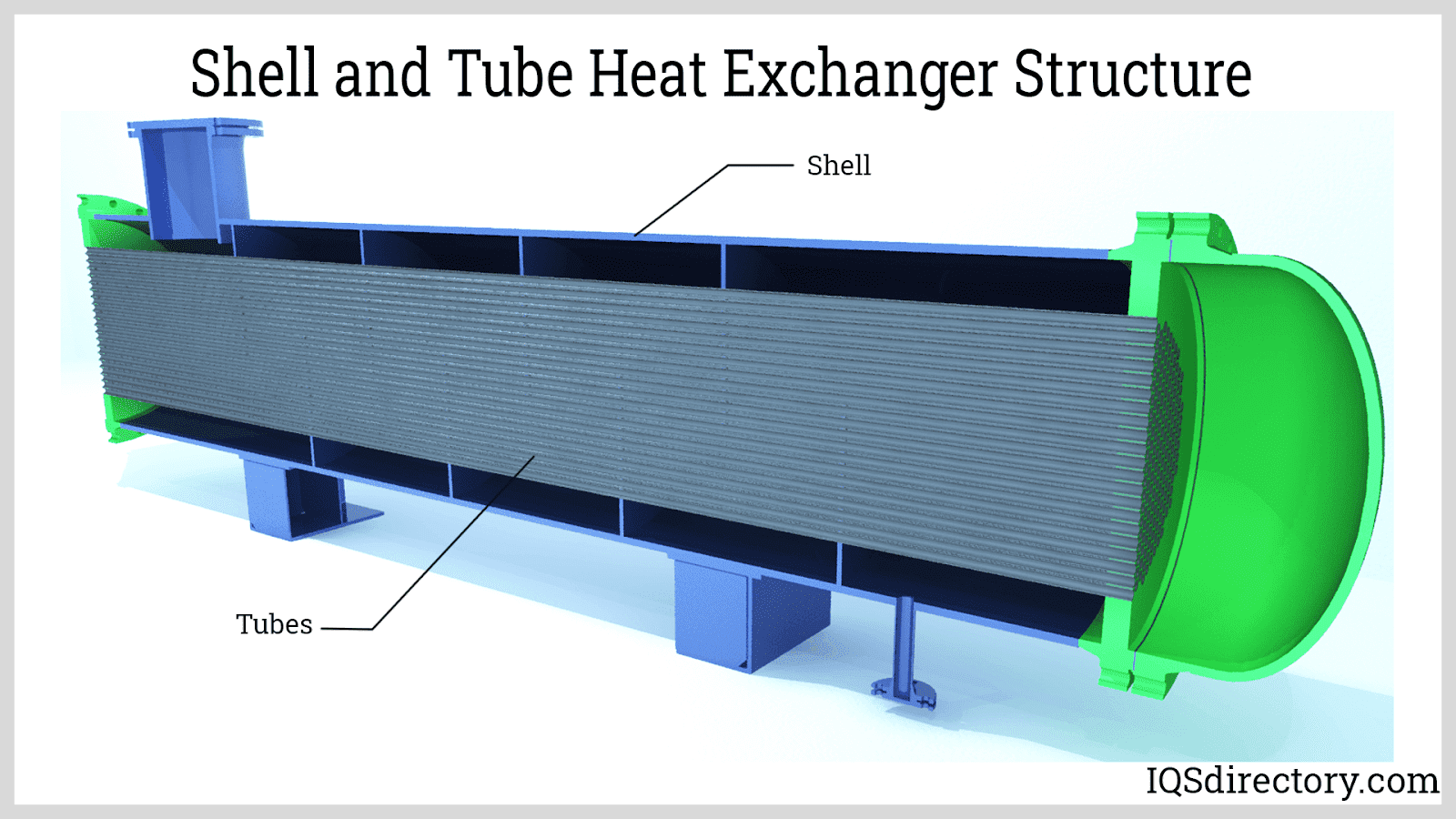
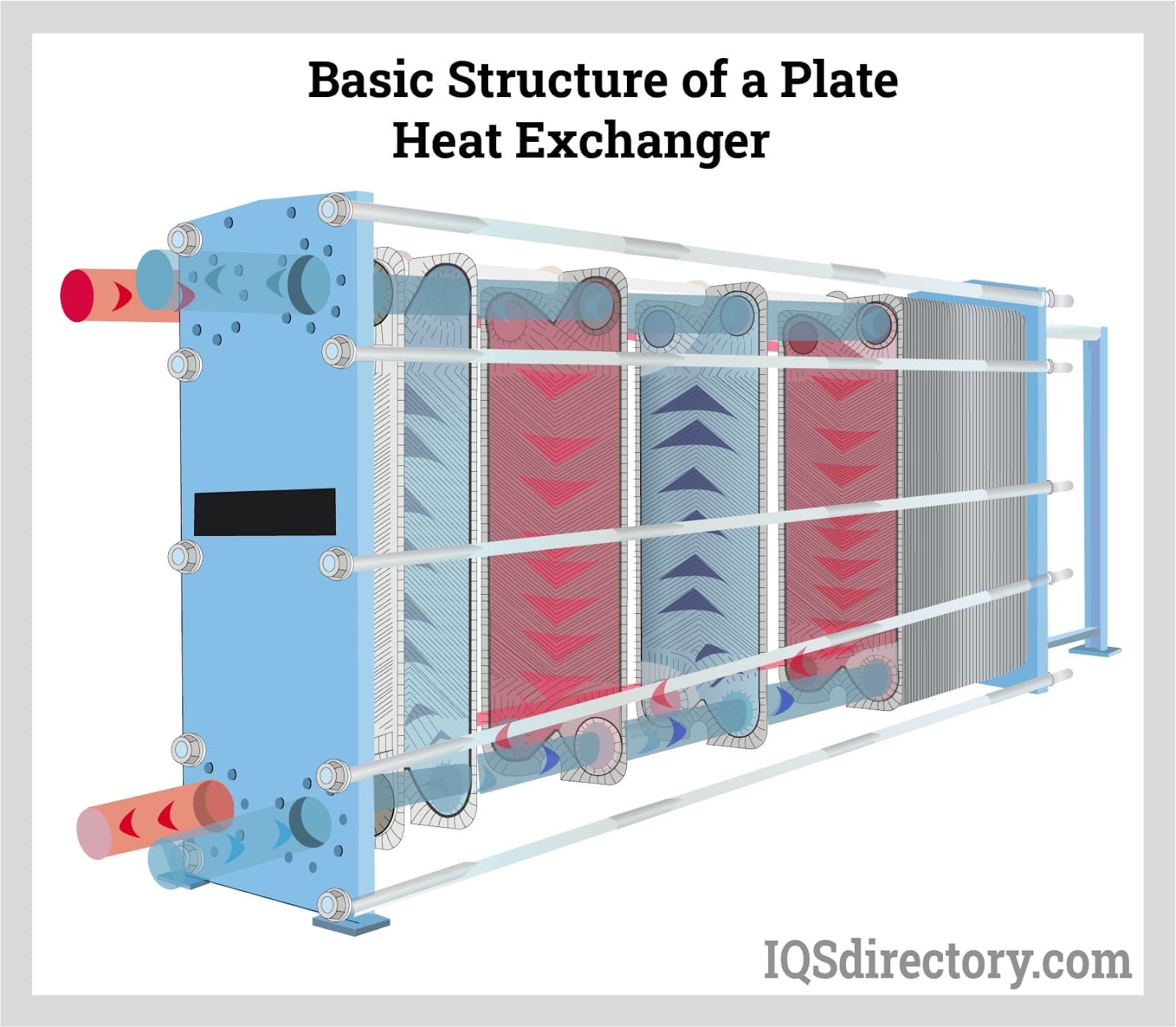
Liquid-to-liquid heat exchangers can be very robust and large with a huge footprint or be small and compact to fit into a limited space. They include shell and tube, plate and frame, twisted tube, and finned tube designs. Manufacturers work with their clients to select the type of liquid-to-liquid heat exchanger that best fits an industrial application or process.
How Liquid-to-Liquid Heat Exchangers Work
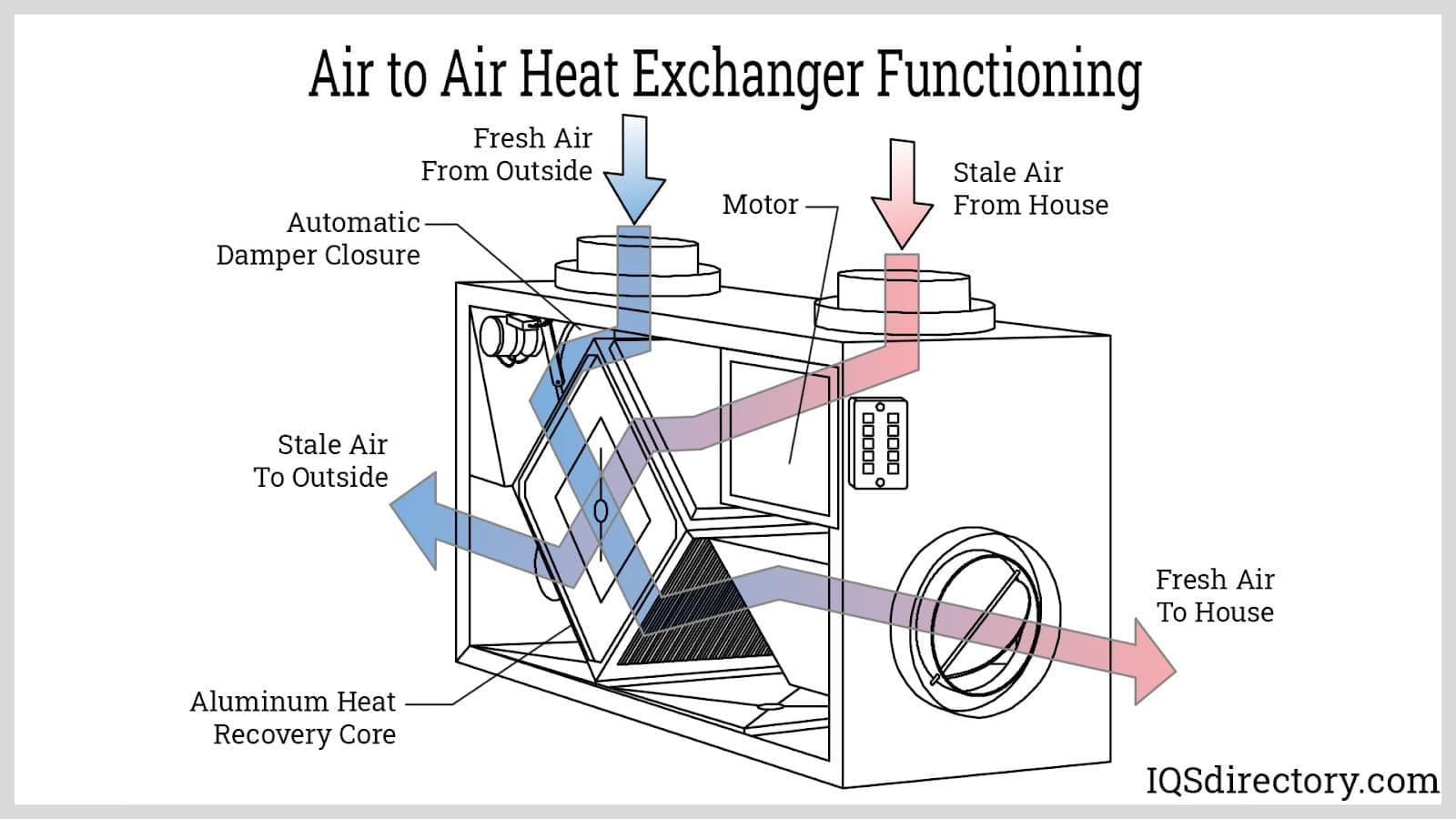
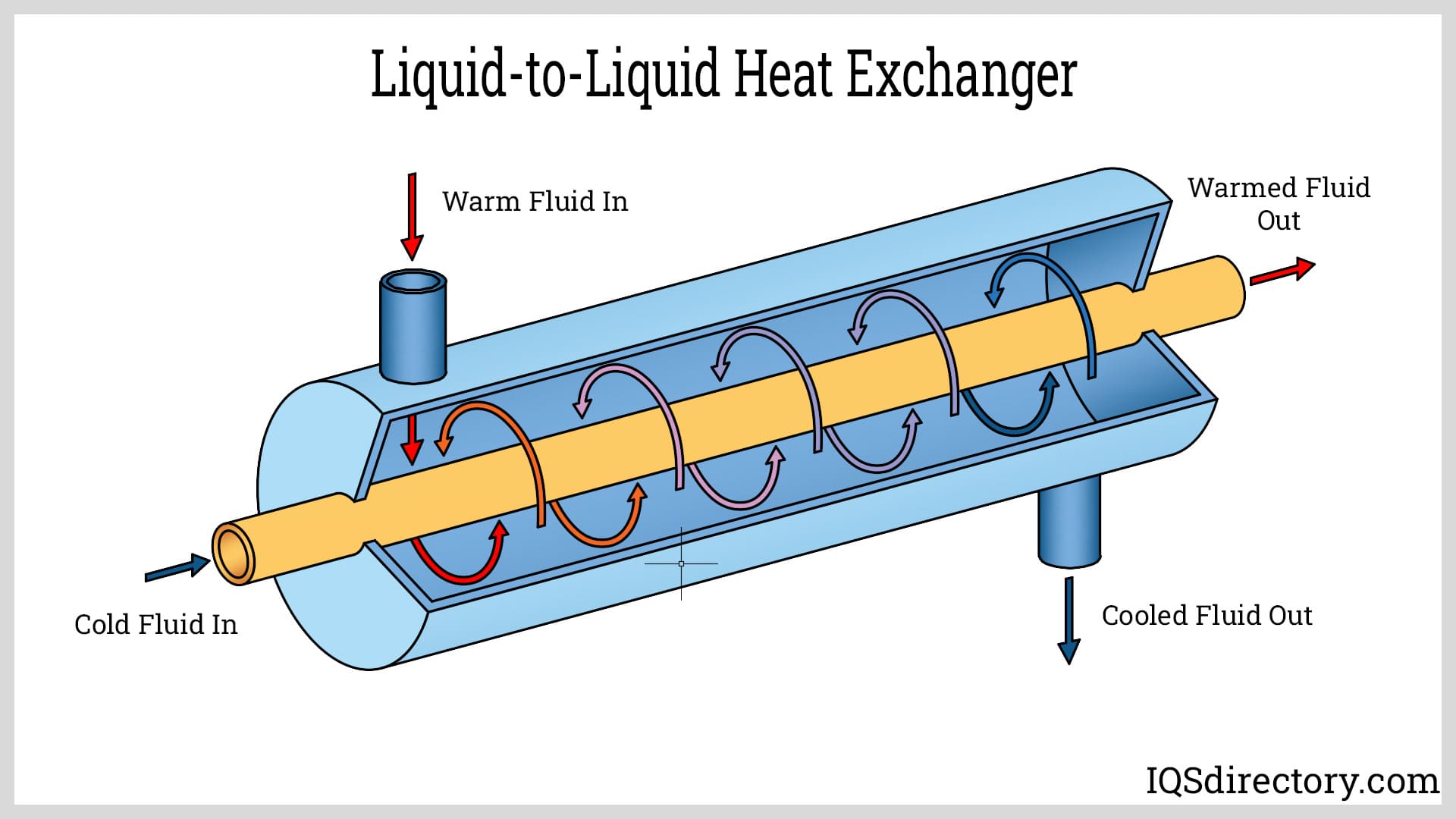
The basic principle of a liquid-to-liquid heat exchanger is to transfer heat from a hotter liquid to a colder liquid through a heat transfer surface, which can take different forms depending on the design of a liquid-to-liquid heat exchanger. As heat moves from the hotter fluid to the colder fluid, the temperature of the cold fluid rises, lowering the temperature of the hotter fluid.
Recovering the waste heat improves energy efficiency and saves on product costs. The fluids in a liquid-to-liquid heat exchanger have different values, with one fluid being the process or important fluid and the other fluid being designated as the utility fluid. Of the two, the process fluid is more valuable and costly. The central and critical aspect of a liquid-to-liquid heat exchanger is its flow pattern, which affects the temperature differences of the fluids and determines the effectiveness and speed of heat transfer.
Flow patterns take three basic forms, which are parallel flow, counter flow, and cross flow. These different patterns, aside from describing the movement of liquids, are also used as descriptors for the different types of liquid-to-liquid heat exchangers. In addition, each flow pattern is selected based on its advantages for a particular application, since there are benefits and disadvantages to each type.
-
Parallel Flow Pattern – With the parallel flow pattern, both fluids on both sides of a liquid-to-liquid heat exchanger flow in the same direction. It is a pattern that is found in double pipe heat exchangers and is applied to shell and tube heat exchangers. The use of the parallel flow pattern ensures uniform wall temperatures to reduce thermal stress and is most efficient when there is a moderate difference between fluid temperatures.
Typically, hot and cold fluids enter a liquid-to-liquid heat exchanger at the same end and flow parallel to each other using the parallel flow pattern. At the inlet, there is a temperature difference, and when it is at its highest, this is referred to as the driving temperature. During the movement of the liquids from the inlet through the heat exchanger, their temperatures change and drop, a factor that limits their transfer rate.
The simple structure of the parallel flow pattern is widely used in liquid-to-liquid heat exchangers due to its ease of design and lack of complexity.
-
Counter Flow Pattern – The counter flow pattern has fluids enter a liquid-to-liquid heat exchanger at opposite ends of the shell. The process fluid and utility fluid flow toward each other to maximize the temperature difference between the fluids or log mean temperature difference. The result of such a flow pattern is a more efficient, effective, and uniform heat transfer, increased heat recovery, and a reduction of heat stress. The cold fluid’s inlet temperature approaches the hot fluid’s inlet temperature, which decreases the need for a wide surface area.
There are three significant advantages to the counter flow pattern. Initially, the uniform temperature difference minimizes thermal stress. Secondly, the outlet temperature of the utility fluid approaches the highest temperature of the process fluid, which is a major factor regarding efficiency. Finally, the uniform temperature differences between the fluids ensure a more uniform rate of heat transfer.
The counter flow pattern is the most common type of flow pattern for liquid-to-liquid heat exchangers due to its high efficiency. The use of the counter flow pattern increases efficiency in a liquid-to-liquid heat exchanger, it is estimated, by up to 15%, enabling smaller heat exchangers to be used, which saves space and money.
-
Cross Flow Pattern – With the parallel flow pattern, the fluids for transferring heat flow in the same direction. With the counter flow pattern, they flow in opposite directions. Therefore, it is logical that the next flow pattern would have the fluids flow perpendicular to each other, which is the cross flow pattern. The cross flow design has one fluid flow through tubes, as the other fluid, outside the tubes, flows across the tubes.
The function of the cross flow pattern is to reduce thermal resistance as it increases the heat transfer rate, which makes it ideal for compact liquid-to-liquid heat exchangers. The perpendicular arrangement maximizes the surface area available for heat transfer. Much like the counter flow pattern, in the cross flow pattern, the process and utility fluids enter the shell at different or opposite ends. As the fluids move through the heat exchanger, they make contact at various points at an angle. The cross flow pattern is commonly found when there is an interaction between a gas and liquid.
The cross flow pattern is more efficient than the parallel pattern but not as efficient as that of the counter flow pattern. The flow patterns for the cross flow pattern are more complex but are necessary when there are constraints on space. The unique nature of the cross flow pattern makes liquid-to-liquid heat exchangers more flexible, adaptable, and able to adjust to unusual and unique conditions.
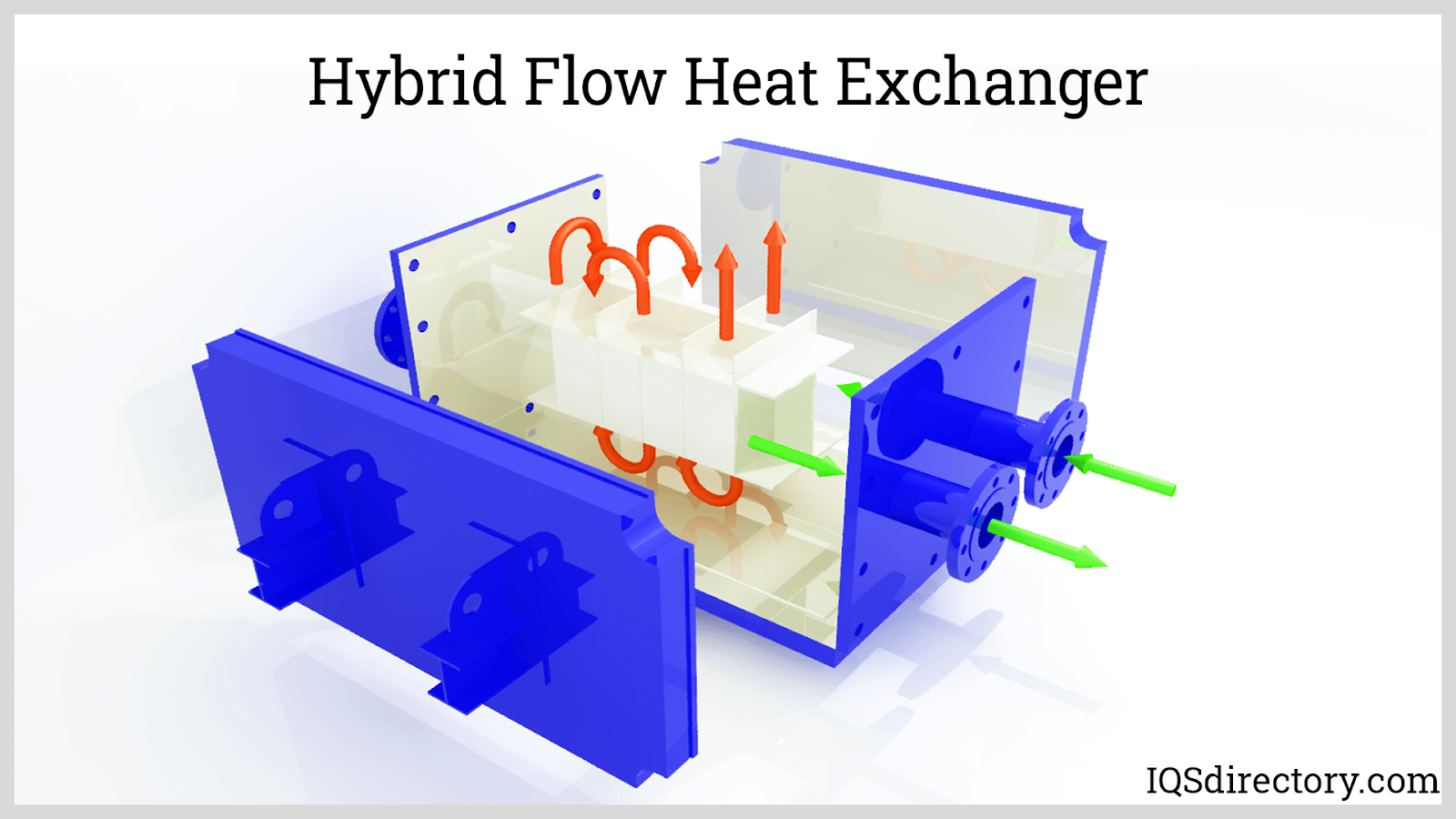
Although the most common flow patterns found in liquid-to-liquid heat exchangers are parallel, counter, and cross flow, due to necessity and the requirements of some designs, uncommon patterns are created by combining the three common patterns. This particular form of flow is referred to as hybrid and is used for conditions that require thinking outside the box.
Hybrid Flow Pattern – The hybrid flow pattern allows designers to choose the best characteristics of the other flow patterns and engineer a design that encompasses those outstanding properties into an unusual pattern. Using the hybrid flow pattern allows engineers to have split flow with multi-passes, which necessitates the complex arrangement of tubes and plates.
Depending on the quality of a design, a hybrid flow pattern can increase heat transfer, allow for a wide range of temperatures, significantly reduce fouling, and be adaptable to the available space, which is a major reason for the hybrid flow pattern. When examining the design of a hybrid flow pattern, the placement of tubes and plates may seem like the imaginings of a mad scientist. In reality, the arrangement provides a specific service that facilitates rapid and efficient heat transfer.
When clients are purchasing a liquid-to-liquid heat exchanger, they may have little knowledge of flow patterns and their importance. In those instances, the background and expertise of a qualified manufacturer can provide the details required to choose the right liquid-to-liquid heat exchanger for an application.
 Boilers
 Chillers
 Cooling Towers
 Furnaces
 Heat Exchangers
 Heat Transfer Equipment
 Castings & Forgings
 Bulk Material Handling
 Electrical & Electronic Components
 Flow Instrumentation
 Hardware
 Material Handling Equipment
 Metal Cutting Services
 Metal Forming Services
 Metal Suppliers
 Motion Control Products
 Plant & Facility Equipment
 Plant & Facility Supplies
 Plastic Molding Processes
 Pumps & Valves
 Recycling Equipment
 Rubber Products & Services